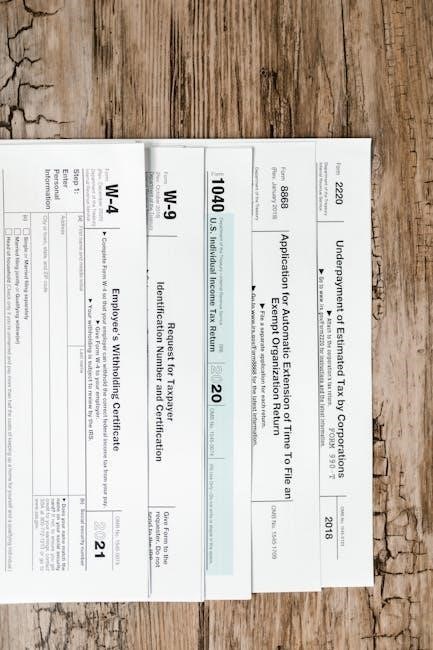
schedule a form 990 instructions
Form 990 Instructions: A Comprehensive Guide (2026)
Google Forms streamlines data collection‚ offering tools for surveys‚ quizzes‚ and online forms with real-time analysis and collaborative editing capabilities.
Form 990 is a crucial document for tax-exempt organizations‚ providing transparency to the public and the IRS regarding their financial activities and governance. Utilizing platforms like Google Forms can simplify initial data gathering for preparation. This comprehensive guide navigates the complexities of the 2026 Form 990 instructions‚ ensuring accurate and compliant filings. It details each section‚ schedules‚ and potential pitfalls.
Google Forms facilitates creating surveys and quizzes‚ aiding in collecting necessary information. Understanding the form’s purpose—reporting revenue‚ expenses‚ and program accomplishments—is paramount. This guide will empower organizations to fulfill their reporting obligations effectively‚ leveraging available tools for streamlined processes.
II. Who Must File Form 990?
Generally‚ organizations recognized by the IRS as tax-exempt under section 501(c)(3) are required to file Form 990 annually. This includes most nonprofits‚ charities‚ and foundations. However‚ exceptions exist based on gross receipts and asset size. Utilizing tools like Google Forms can help organizations initially assess their filing requirements by collecting relevant financial data.
Organizations with gross receipts normally less than $50‚000 and total assets under $250‚000 may qualify to file Form 990-N (e-Postcard). Larger organizations typically file the full Form 990 or the shorter Form 990-EZ. Understanding these thresholds is critical for compliance.
III. Form 990 Filing Deadlines (2026)
For most organizations‚ the Form 990 filing deadline is the 15th day of the 5th month after the end of their accounting period. For calendar-year organizations‚ this typically means May 15th‚ 2026. However‚ extensions are available! Utilizing digital form builders like Google Forms can assist in tracking internal deadlines for data compilation.
An automatic six-month extension can be requested by filing Form 8868. It’s crucial to remember that an extension to file is not an extension to pay any associated taxes. Proactive deadline management is key to avoiding penalties.
IV. Obtaining Form 990 and Related Materials
The primary source for obtaining Form 990 and its instructions is the IRS website (irs.gov). Downloadable PDFs of the form and accompanying publications are readily available. Alternatively‚ you can order physical copies by calling the IRS. Utilizing online platforms‚ similar to Google Forms’ accessibility‚ simplifies the process.
Related materials‚ such as schedules and worksheets‚ are also accessible online. Familiarize yourself with these resources before beginning the filing process. Ensure you are using the correct form version for the 2026 tax year to avoid rejection.

V. Understanding the Core Sections of Form 990
Form 990 is structured into key sections requiring detailed attention. Part I provides a summary of the organization’s financial activities and mission. The signature block (Part II) necessitates authorization from a responsible party. Part III demands a clear statement of program service accomplishments‚ detailing the organization’s activities and impact.
Similar to building a comprehensive form with sections in Google Forms‚ each part of the 990 serves a distinct purpose. Thoroughly understanding these core sections is crucial for accurate and compliant reporting.
A. Part I: Summary
Part I of Form 990 offers a concise overview of the organization’s financial position and activities. It includes total revenue‚ net assets‚ and program service accomplishments. Like organizing sections within Google Forms for clarity‚ Part I provides a high-level snapshot for reviewers.
Accurate completion is vital‚ as it forms the basis for further detailed reporting in subsequent sections. This summary allows for quick assessment of the organization’s overall financial health and programmatic focus‚ mirroring the initial impression a well-designed form creates.
B. Part II: Signature Block
Part II of Form 990 requires the signature of an authorized officer‚ confirming the accuracy and completeness of the submitted information. This section‚ much like finalizing a Google Form before distribution‚ ensures accountability and legal validity.
The signature signifies that the organization has reviewed the form and attests to its truthfulness. Proper authorization is crucial; typically‚ this is the president‚ treasurer‚ or a similarly designated individual. Failing to properly sign can lead to penalties‚ emphasizing the importance of this final step.
C. Part III: Statement of Program Service Accomplishments
Part III of Form 990 demands a detailed narrative of the organization’s accomplishments‚ mirroring the analysis features within Google Forms after data collection. This section isn’t merely a list; it requires a clear explanation of the organization’s activities and the impact they’ve had on fulfilling its mission.
Organizations must describe their three most significant program services‚ quantifying achievements whenever possible. This demonstrates accountability to donors and the public‚ showcasing how funds are utilized to achieve tangible results. Succinct‚ impactful descriptions are key to a compelling presentation.
VI. Revenue and Expenses – Detailed Reporting
Accurate revenue and expense reporting‚ akin to the analytical summaries generated by Google Forms‚ is crucial for Form 990 compliance. This section demands a comprehensive overview of all income sources – contributions‚ grants‚ program service revenue‚ and investment income – meticulously categorized and reported.
Expenses must be similarly detailed‚ broken down by functional categories (program services‚ management‚ and fundraising). Proper allocation is vital‚ demonstrating how resources are directed towards achieving the organization’s mission. Transparency in financial reporting builds trust with stakeholders and ensures accountability.
A. Part VIII: Statement of Revenue
Part VIII‚ mirroring the data collection of Google Forms‚ details all revenue sources received by the organization during the tax year. This includes contributions from the public‚ membership dues‚ grants‚ program service revenue‚ and investment income. Each revenue stream must be reported separately‚ with specific details regarding its nature and amount.
Organizations must also disclose any unrelated business income (UBI)‚ which is income generated from activities not substantially related to their exempt purpose. Accurate revenue reporting is fundamental for determining the organization’s financial health and compliance.
B. Part IX: Statement of Functional Expenses
Similar to analyzing responses in Google Forms‚ Part IX categorizes an organization’s expenses by function. This section requires a detailed breakdown of costs allocated to program services‚ management‚ and fundraising activities. Expenses must be reported across these functional categories‚ providing transparency into how resources are utilized.
Proper allocation is crucial; costs benefiting multiple functions should be appropriately divided. This detailed expense reporting allows stakeholders to assess the organization’s efficiency and effectiveness in achieving its mission‚ mirroring the analytical power of digital forms.
VII. Balance Sheet and Financial Statements
Just as Google Forms compiles responses into analyzable data‚ the balance sheet presents a snapshot of an organization’s assets‚ liabilities‚ and net assets at a specific point in time. This section‚ alongside supplemental financial statements‚ provides a comprehensive overview of the organization’s financial position.
Accurate reporting is vital for demonstrating financial health and stability. Schedule D offers further detail‚ mirroring the expanded views available within Google’s data analysis tools. These statements are crucial for transparency and accountability to donors and stakeholders.
A. Part X: Balance Sheet
Similar to how Google Forms organizes responses‚ Part X of Form 990 details an organization’s assets‚ liabilities‚ and net assets. This provides a clear financial snapshot‚ categorizing holdings into current and long-term classifications.
Accurate asset valuation and liability reporting are paramount. This section requires meticulous record-keeping‚ mirroring the detailed data input needed for effective Google Form analysis. Understanding these components is crucial for assessing the organization’s financial health and ensuring compliance with reporting standards.
B. Schedule D: Supplemental Financial Statements
Just as Google Forms allows for detailed response analysis‚ Schedule D provides expanded financial disclosures beyond the core Form 990. It delves into specifics like investments‚ property‚ plant‚ and equipment‚ offering a granular view of an organization’s financial position.
This schedule requires detailed reporting‚ akin to organizing complex data within Google Forms. It ensures transparency and allows stakeholders to assess the organization’s long-term financial stability and resource allocation. Accurate completion is vital for maintaining public trust and complying with IRS regulations.
VIII. Governance‚ Management‚ and Disclosure
Similar to Google Forms’ collaborative features‚ this section focuses on an organization’s internal controls and decision-making processes. It requires detailed information about board members‚ their compensation‚ and potential conflicts of interest‚ ensuring accountability.

Transparency is key‚ mirroring the real-time analysis offered by Forms. This part of the 990 demonstrates how the organization is governed‚ managed‚ and how it ensures ethical conduct. Proper disclosure builds trust with donors and the public‚ vital for sustained support and regulatory compliance.
A. Part VI: Governance‚ Management‚ and Disclosure
Echoing Google Forms’ emphasis on user control and data security‚ Part VI delves into an organization’s governance structure. It requires listing officers‚ directors‚ trustees‚ and key employees‚ alongside their compensation and significant activities.
This section also addresses potential conflicts of interest‚ mirroring the need for secure data handling in Forms. Organizations must disclose policies regarding document retention‚ whistleblower protection‚ and joint ventures. Thorough completion demonstrates responsible oversight and adherence to ethical standards‚ fostering public trust and accountability.
B. Schedule L: Transactions with Interested Persons
Similar to Google Forms’ focus on data transparency‚ Schedule L demands detailed reporting of transactions involving “interested persons.” This includes board members‚ officers‚ key employees‚ and their family members.
Organizations must disclose any loans‚ compensation‚ or business dealings with these individuals‚ ensuring full transparency and preventing self-dealing. Accurate completion is crucial for demonstrating ethical governance and avoiding potential penalties. This schedule safeguards against conflicts of interest‚ mirroring Forms’ commitment to secure and accountable data practices.
IX. Specific Schedules and Their Purpose

Much like Google Forms offers diverse question types‚ Form 990 utilizes numerous schedules to capture specific organizational details. These schedules delve deeper than the core form‚ providing a comprehensive overview of an organization’s activities.
Schedules cover areas like lobbying‚ political activities‚ compensation‚ and related party transactions. Each schedule serves a unique purpose‚ ensuring the IRS receives granular data for oversight. Properly completing these schedules is vital for accurate reporting and maintaining tax-exempt status‚ echoing Forms’ precision in data collection.
A. Schedule A: Public Charity Status and Public Support
Similar to how Google Forms allows customization for branding‚ Schedule A focuses on confirming an organization’s public charity classification. This schedule meticulously details the sources and amounts of public support received‚ crucial for maintaining tax-exempt status.

It verifies if the organization meets specific public support tests‚ demonstrating broad community engagement. Schedule A requires detailed reporting of contributions‚ membership dues‚ and gross receipts‚ mirroring Forms’ detailed data input. Accurate completion is paramount for continued eligibility as a public charity.
B. Schedule B: Schedule of Contributors
Analogous to Google Forms’ response analysis‚ Schedule B meticulously lists all contributors who donated $15 or more to the organization. This detailed schedule requires reporting the contributor’s name‚ address‚ contribution amount‚ and type of contribution – cash‚ property‚ or other.
Maintaining accurate contributor records is vital for transparency and compliance. Like Forms’ collaborative editing‚ Schedule B data is often reviewed internally. It ensures adherence to IRS regulations regarding donor information and potential conflicts of interest‚ safeguarding the organization’s integrity.
C. Schedule C: Political Activities Compliance
Similar to Google Forms’ customizable quizzes‚ Schedule C addresses a non-profit’s engagement in political activities‚ ensuring adherence to strict IRS guidelines. It details any lobbying or campaign interventions undertaken by the organization during the tax year.
This schedule requires precise reporting of expenditures related to political campaigns and lobbying efforts. Like Forms’ data security‚ Schedule C aims to maintain the non-profit’s tax-exempt status by preventing undue influence of political agendas. Accurate completion is crucial to avoid penalties and maintain public trust.
X. Reporting Lobbying and Political Activities
Analogous to Google Forms’ ability to gather diverse opinions‚ Form 990 demands transparency regarding lobbying and political activities. Organizations must disclose any attempts to influence legislation or participate in political campaigns.
This section necessitates detailed reporting of lobbying expenses‚ including direct and indirect costs. Similar to Forms’ analytical tools‚ the IRS scrutinizes these disclosures to ensure compliance with regulations prohibiting excessive political activity by tax-exempt entities. Accurate reporting safeguards the organization’s non-profit status and public trust‚ mirroring Forms’ data integrity.
XI. Compensation Reporting – Key Personnel
Much like Google Forms facilitates organized data input‚ Form 990 requires meticulous reporting of compensation for key personnel. This includes officers‚ directors‚ trustees‚ key employees‚ and highly compensated individuals.
Detailed information‚ mirroring the structured nature of Forms‚ must be provided regarding salaries‚ benefits‚ and other forms of remuneration. Transparency in compensation is crucial for demonstrating accountability and preventing conflicts of interest. The IRS reviews this data to ensure reasonable compensation practices‚ akin to Forms’ real-time analysis‚ upholding non-profit integrity.
A. Part VII: Compensation of Officers‚ Directors‚ Trustees‚ Key Employees‚ Highest Compensated Employees‚ and Independent Contractors
Similar to Google Forms’ structured fields‚ Part VII demands precise compensation details for listed individuals. This section requires reporting of base compensation‚ bonuses‚ severance‚ and other benefits received.
Organizations must clearly identify each individual and their role‚ mirroring Forms’ organized data collection. Detailed reporting ensures transparency and compliance with IRS regulations. Just as Forms allows collaborative editing‚ accurate completion of Part VII requires internal review and verification‚ safeguarding against errors and potential penalties.
XII. Related Party Transactions
Analogous to Google Forms’ data security features‚ disclosing related party transactions on Form 990 ensures transparency and prevents conflicts of interest. This section requires detailed reporting of any transactions involving officers‚ directors‚ trustees‚ or key employees and their related entities.
Organizations must outline the nature of the transaction‚ the amount involved‚ and the terms. Accurate disclosure‚ like Forms’ real-time analysis‚ is crucial for maintaining public trust and avoiding scrutiny from the IRS. Thorough documentation is essential‚ mirroring Forms’ data preservation capabilities.
XIII. Form 990-EZ vs. Form 990: Which One to File?
Similar to choosing the right Google Form template‚ selecting between Form 990-EZ and Form 990 depends on organizational size and complexity. Generally‚ smaller nonprofits with gross receipts under $200‚000 and total assets under $500‚000 can file the simpler Form 990-EZ.
Larger organizations‚ or those exceeding these thresholds‚ must utilize the comprehensive Form 990. This decision‚ like customizing a Form‚ impacts reporting requirements. Accurate assessment is vital to avoid penalties‚ mirroring Forms’ data validation features.
XIV. Electronic Filing of Form 990
Much like submitting a Google Form response‚ electronic filing of Form 990 is now mandatory for most organizations. The IRS utilizes the e-Postcard system for smaller nonprofits‚ while larger ones employ software or a transmission service.
This digital process‚ akin to Forms’ real-time analysis‚ ensures faster processing and reduces errors. Secure transmission is paramount‚ mirroring Google’s data security. Electronic filing offers benefits like acknowledgment receipts and streamlined recordkeeping‚ simplifying compliance.
XV. Common Errors to Avoid on Form 990
Similar to carefully completing a Google Form‚ accuracy is crucial on Form 990. Frequent errors include misreporting revenue‚ incorrectly classifying expenses‚ and failing to disclose related-party transactions.
Organizations often struggle with functional expense allocation‚ mirroring the need for clear categorization in Forms. Incomplete or inconsistent information‚ like missing Schedule O details‚ also causes issues. Thorough review‚ akin to proofreading a Form response‚ and utilizing available resources are vital to avoid penalties and ensure compliance.
XVI. Recordkeeping Requirements for Form 990
Maintaining detailed records is paramount‚ much like preserving Google Form responses for analysis. Organizations must retain supporting documentation for all reported figures‚ including bank statements‚ invoices‚ and payroll records.
These records should be readily accessible for potential IRS review‚ mirroring the ease of accessing data within Google Workspace. Proper documentation demonstrates transparency and supports the accuracy of the Form 990. Consistent recordkeeping practices‚ similar to organized Form sections‚ are essential for a smooth audit process and continued tax-exempt status.
XVII. Penalties for Late Filing or Incorrect Information

Failing to meet Form 990 deadlines or submitting inaccurate information can incur significant penalties‚ akin to data loss in a poorly managed Google Form. Late filing penalties escalate with the length of the delay‚ potentially reaching substantial amounts.
Incorrect or incomplete information may trigger audits and additional assessments. Intentional misrepresentation can lead to even harsher consequences‚ including revocation of tax-exempt status. Proactive compliance‚ similar to regularly checking Google Workspace Status for outages‚ is crucial to avoid these costly repercussions.
XVIII. Resources for Form 990 Assistance
Navigating Form 990 can be complex‚ but numerous resources offer support‚ much like Google’s Learning Center guides for Forms; The IRS Website provides comprehensive instructions‚ publications‚ and FAQs. Utilizing these resources is akin to quickly learning how to create a Google Form.
Professional Tax Advisors specializing in nonprofit organizations can offer tailored guidance and ensure compliance. Consider them as experts assisting with advanced Google Workspace features. Don’t hesitate to seek help; accurate filing is paramount‚ mirroring the importance of analyzing responses in real-time.
A. IRS Website and Publications
The IRS website serves as a primary resource‚ similar to Google Forms’ quick start guides‚ offering detailed Form 990 instructions and related publications; Accessing these materials is crucial for understanding reporting requirements‚ much like customizing a form’s theme for branding.

Key publications include the Form 990 instructions themselves‚ as well as various guides and notices. These resources provide clarity on specific line items and schedules‚ enabling accurate completion‚ akin to creating sections within a form for better organization and user experience.
B. Professional Tax Advisors
Engaging a professional tax advisor offers personalized guidance‚ mirroring the collaborative editing features of Google Forms for complex projects. They possess expertise in navigating the intricacies of Form 990‚ ensuring compliance and optimizing reporting strategies‚ much like customizing a form’s design for specific needs.
Advisors can assist with schedule preparation‚ revenue and expense allocation‚ and identifying applicable deductions. This support is invaluable for organizations lacking internal expertise‚ similar to utilizing Google Workspace’s advanced features for business applications.
XIX. Changes to Form 990 for the 2026 Tax Year
Staying updated on Form 990 revisions is crucial‚ akin to monitoring Google Workspace Status for service disruptions. The IRS frequently introduces changes to reporting requirements‚ impacting schedule preparation and data submission. These updates may involve new schedules‚ modified line items‚ or clarified instructions‚ demanding careful attention.
Organizations should proactively review the latest IRS guidance and consult with tax professionals. This ensures accurate compliance‚ mirroring the need to adapt Google Forms to evolving data collection needs‚ and avoids potential penalties.
XX. Understanding Schedule O – Supplemental Information
Schedule O serves as a vital extension of Form 990‚ much like customizing a Google Form to gather specific data. It provides space for organizations to elaborate on responses given elsewhere‚ offering crucial context and detail the IRS requires.
This schedule addresses questions lacking sufficient space on the core form‚ detailing activities‚ governance practices‚ and other pertinent information. Thorough completion of Schedule O‚ similar to utilizing sections within Google Forms‚ ensures transparency and a comprehensive organizational overview.

XXI. Form 990 and State Filing Requirements
Beyond federal obligations‚ many states mandate their own filings for non-profit organizations‚ mirroring the diverse customization options available in Google Forms. These requirements often parallel Form 990 but may include state-specific schedules or forms‚ demanding careful attention to detail.
Organizations must investigate individual state regulations‚ ensuring timely submission to avoid penalties‚ much like setting deadlines for Google Form responses. Compliance necessitates understanding state-level reporting thresholds and unique stipulations‚ potentially requiring professional guidance.
XXII. Auditing and Reviewing Form 990
A thorough audit and review of Form 990 are crucial before submission‚ akin to meticulously proofreading a Google Form before distribution. This process should involve multiple individuals – board members‚ finance committee‚ and potentially an external CPA – to ensure accuracy and completeness.

Focus areas include verifying financial data‚ confirming program service accomplishments‚ and scrutinizing governance disclosures. Utilizing checklists and comparing against prior-year filings can identify inconsistencies‚ mirroring the analytical tools available for Google Forms responses.