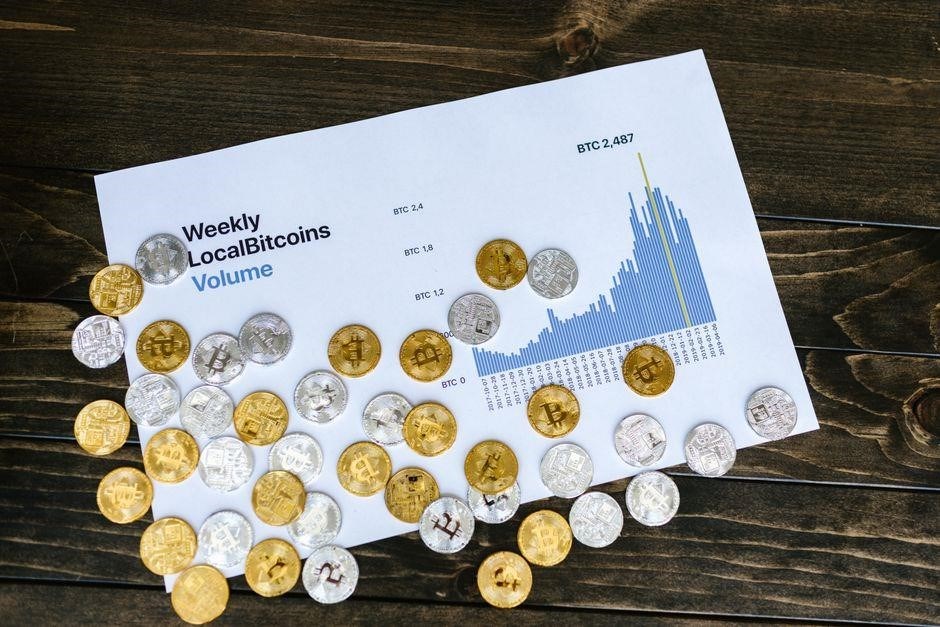
tu zona crypto book pdf
The Crypto Zone Book PDF offers a concise guide for newcomers, outlining key concepts, market dynamics, and practical steps to navigate digital currencies. Its user-friendly layout, clear diagrams, and actionable insights empower readers to build confidence and start investing wisely. Explore!!!
1.1 What Is the Crypto Zone Book?

The Crypto Zone Book PDF serves as a comprehensive primer for anyone intrigued by the evolving world of digital assets. It distills complex blockchain mechanics, market psychology, and regulatory frameworks into digestible sections, each crafted to guide readers from foundational knowledge to actionable investment tactics. The text is organized into clear chapters, with concise explanations, illustrative diagrams, and real‑world case studies that demonstrate how cryptocurrencies are reshaping finance, commerce, and even cultural norms. By blending theory with practical examples, the book empowers users to assess risk, identify promising tokens, and develop a disciplined approach to portfolio construction. Its PDF format ensures portability and accessibility across devices, allowing readers to study on the go, annotate key points, and reference charts without losing formatting. Whether you’re a student, a professional, or a hobbyist, this resource offers a balanced blend of academic rigor and market pragmatism, making it an indispensable tool for anyone looking to navigate the crypto landscape with confidence and clarity.
Beyond the core chapters, the PDF incorporates interactive elements such as embedded charts, hyperlinks to live market feeds, and downloadable worksheets that allow readers to practice portfolio simulations. The authors also provide a glossary of key terms, ensuring that even novices can navigate jargon with ease. Readers can download a companion app syncing with the PDF for alerts now.
1.2 Benefits of PDF Format

The PDF format of the Crypto Zone Book offers unparalleled convenience and reliability for readers worldwide. Unlike web pages that may change or disappear, a PDF preserves the original layout, typography, and embedded graphics, ensuring that every chart, diagram, and footnote remains intact across devices and operating systems. This static nature eliminates formatting glitches that can arise when content is rendered on different browsers or screen sizes.
Portability is another key advantage. Users can download the file once and access it offline from laptops, tablets, or smartphones, making it ideal for travelers, commuters, or anyone with intermittent internet connectivity. The file size is optimized for quick downloads, yet it retains high-resolution images and interactive links that guide readers to live market data or external resources.
Security is paramount in the crypto space, and PDFs support encryption and password protection. Authors can lock the document to prevent unauthorized copying or editing, while still allowing selective sharing of annotated pages. This feature protects sensitive investment strategies and proprietary insights from being misused.
Annotation tools embedded in most PDF readers let readers highlight, comment, and bookmark sections without altering the original text. This facilitates active learning, collaborative study groups, and the creation of personalized study notes that can be exported or printed for reference. Stay ahead with now

Core Crypto Concepts Covered
Core crypto concepts such as blockchain fundamentals, consensus mechanisms, token economics, and smart contract functionality are explored. The book simplifies complex ideas, providing clear examples and analogies to help readers grasp how digital assets operate and evolve. Gain edge today fast!!!!
2.1 Blockchain Architecture
Blockchain architecture is the backbone of all digital asset ecosystems, defining how data is stored, validated, and shared across a decentralized network. At its core, a blockchain is a linked list of blocks, each containing a batch of transactions, a cryptographic hash of the previous block, and a timestamp. This chaining guarantees immutability: once a block is appended, altering its contents would require recomputing every subsequent block, an infeasible task for a well‑secured network. Nodes—computers running the protocol—maintain a full copy of the ledger, ensuring redundancy and resistance to censorship. Consensus mechanisms, such as Proof‑of‑Work, Proof‑of‑Stake, Delegated Proof‑of‑Stake, and Byzantine Fault Tolerance, enable these nodes to agree on the next block without a central authority. Each mechanism balances security, energy consumption, and scalability differently, influencing network speed and decentralization. Cryptographic primitives—hash functions, asymmetric key pairs, and digital signatures—provide data integrity and identity verification, without revealing private keys fast! Merkle trees aggregate transaction data into a single root hash, enabling efficient verification of individual transactions without downloading the entire chain. Layer‑1 solutions (e.g., Bitcoin, Ethereum) focus on base‑layer security and decentralization, while Layer‑2 protocols (Lightning Network, Optimistic Rollups) aim to increase throughput. Sidechains and sharding further enhance scalability by partitioning the network into smaller, parallel chains that can process transactions concurrently. Understanding these architectural layers equips investors, developers, and enthusiasts to evaluate protocol strengths, anticipate future upgrades, and navigate the evolving crypto landscape with confidence.
2.2 Types of Cryptocurrencies
Cryptocurrencies are diverse, spanning from foundational coins to specialized tokens. The primary categories include: Bitcoin (BTC), the pioneer, designed as a peer‑to‑peer digital cash system, prioritizing security and decentralization over scalability. Altcoins such as Ethereum (ETH), Litecoin (LTC), and Ripple (XRP) introduce varied consensus algorithms, smart‑contract capabilities, or faster settlement times. Utility tokens grant access to services within a platform (e.g., Golem, Basic Attention Token), often lacking intrinsic value outside their ecosystem. Security tokens represent ownership of real‑world assets (equity, bonds, real estate) and must comply with regulatory frameworks, blending blockchain with traditional finance. Stablecoins (USDT, USDC, DAI) peg value to fiat currencies or commodities, reducing volatility for traders and merchants. Governance tokens empower holders to vote on protocol upgrades or treasury allocations (e.g., COMP, UNI). Privacy coins (Monero, Zcash) employ zero‑knowledge proofs or stealth addresses to obfuscate transaction data, enhancing user anonymity. Non‑fungible tokens (NFTs) encode unique digital assets, enabling verifiable ownership of art, collectibles or virtual real‑estate. Each type serves distinct use‑cases, influencing adoption, regulatory scrutiny, and market dynamics. Understanding these categories helps investors align strategies with risk tolerance, technological maturity, and regulatory landscapes. In addition, emerging categories such as decentralized finance (DeFi) tokens, layer‑2 scaling solutions, and cross‑chain bridges further diversify the ecosystem. DeFi tokens like Aave or Compound provide lending and borrowing functionalities, while layer‑2 tokens (e.g., Polygon, Arbitrum) offer reduced fees and higher throughput. Cross‑chain bridges (e.g., Polkadot, Cosmos) enable interoperability between disparate blockchains, fostering a more connected digital economy. By understanding these categories, investors can better assess risk, potential returns, and alignment with personal investment philosophies!!

Investment Strategies Highlighted
The book outlines core investment tactics: long‑term holding (HODLing) for value appreciation, short‑term trading for market volatility, dollar‑cost averaging, and portfolio diversification across coins. It emphasizes risk management, research, and staying updated on market trends. for traders.!!
3.1 Long-Term Holding (HODLing)
Long‑term holding, commonly known as HODLing, is a cornerstone strategy for investors seeking to benefit from the gradual appreciation of digital assets. The approach is rooted in the belief that, over extended periods, the intrinsic value of well‑chosen cryptocurrencies will rise, even if short‑term volatility creates temporary dips. By maintaining a position through market cycles, investors avoid the pitfalls of frequent trading, such as transaction fees, tax complications, and emotional decision‑making. The book details how to select assets for a long‑term portfolio: evaluate the project’s fundamentals, team credibility, use‑case viability, and community support. Diversification across multiple coins mitigates concentration risk, while a disciplined rebalancing schedule keeps the portfolio aligned with risk tolerance. HODLing also encourages a mindset shift from chasing quick gains to embracing a patient, research‑driven approach. The text explains how to set realistic expectations, use dollar‑cost averaging to smooth entry points, and monitor regulatory developments that could impact asset value. Additionally, the guide highlights the importance of secure storage: hardware wallets, multi‑signature setups, and regular firmware updates protect holdings from hacks. By following these principles, investors can position themselves to capture long‑term upside while minimizing exposure to short‑term turbulence. Readers are encouraged to stay informed, adapt strategies, and remain disciplined!
3.2 Short-Term Trading Techniques
Short‑term trading focuses on capitalizing on price swings that occur over minutes, hours, or days. The book outlines a systematic approach: first, choose a reliable exchange with low latency and high liquidity. Next, identify market patterns using technical indicators such as moving averages, RSI, MACD, and Bollinger Bands. Traders set entry and exit rules based on these signals, ensuring that each trade has a predefined risk‑to‑reward ratio. Stop‑loss orders protect capital, while trailing stops lock in profits as the price moves favorably. Position sizing is crucial; the guide recommends risking no more than 1–2 % of the account per trade to preserve long‑term viability. Additionally, the text stresses the importance of a disciplined routine: pre‑market research, real‑time monitoring, and post‑trade analysis to refine strategies. Risk management tools like volatility‑adjusted stops and volatility‑based time‑frames help adapt to changing market conditions. The book also covers psychological aspects—avoiding overconfidence, managing emotions, and maintaining a trading journal to track performance. By combining technical rigor with disciplined risk control, short‑term traders can exploit market inefficiencies while safeguarding their capital. Advanced traders often employ algorithmic strategies, integrating machine‑learning models to predict micro‑price movements, yet even the most sophisticated systemsrequire real validation and oversight to maintain integrity.

Tools and Resources Suggested
Explore tier tools: secure wallets, real-time analytics, and automated trading bots. The guide recommends reputable exchanges, charting platforms, educational resources to empower confident, informed crypto decisions. Use these tools to stay ahead, analyze market sentiment, and execute trades!!.
4.1 Recommended Exchanges
Choosing the right exchange is pivotal for any crypto enthusiast. The Crypto Zone Book PDF highlights several platforms that balance security, liquidity, and user experience. First, Binance stands out for its extensive coin selection, low fees, and advanced trading tools, making it suitable for both newcomers and seasoned traders. Next, Coinbase Pro offers a regulated environment with strong compliance, ideal for users prioritizing safety and regulatory clarity. For those seeking decentralized options, Uniswap and SushiSwap provide automated market maker (AMM) liquidity pools that allow direct token swaps without intermediaries, while maintaining high transaction speeds on the Ethereum network. Additionally, Kraken is praised for its robust security measures, including cold storage and two‑factor authentication, and offers a wide array of fiat‑to‑crypto pairs. Lastly, Gemini provides a compliant platform with a focus on institutional‑grade security and transparent fee structures. Each exchange mentioned in the PDF comes with its own set of pros and cons, and the guide encourages readers to evaluate their personal needs, risk tolerance, and preferred trading style before committing. By leveraging these vetted exchanges, users can confidently navigate the crypto market, execute trades efficiently, and protect their digital assets.
Other notable exchanges include Bitstamp, known for its long‑standing reputation and robust compliance in Europe; Huobi, which offers a comprehensive suite of derivatives and margin trading; OKX, providing a wide range of futures contracts; and KuCoin, celebrated for its user‑friendly interface and diverse token listings. Each platform’s fee structure, security protocols, and available fiat gateways differ, so reviewing updates before trading is now OK
4.2 Secure Wallet Options
Choosing a secure wallet is essential for protecting assets. The Crypto Zone Book PDF recommends a mix of hardware, software, and paper wallets to suit risk profiles and usage patterns. Hardware wallets such as Ledger Nano X and Trezor Model T provide offline storage, tamper‑proof design, and multi‑signature support, making them ideal for holdings. Software wallets like Exodus and Atomic Wallet offer cross‑platform convenience, built‑in exchange features, and encryption, suitable for active traders who need quick access. For those who prefer a solution, mobile wallets such as Trust Wallet and MetaMask enable interaction with decentralized applications while maintaining strong security through PIN or biometric authentication. Paper wallets, though less common today, remain a viable option for cold storage; the guide advises printing seed phrases on acid‑free paper and storing them in a fire‑proof safe. Additionally, the PDF highlights the importance of using strong, unique passwords, enabling two‑factor authentication, and regularly updating firmware or software to patch vulnerabilities. By combining these wallet types and following best practices, users can create a layered defense against hacks, phishing, and accidental loss, ensuring their crypto investments remain safe and accessible.
The guide also emphasizes the role of seed phrases, recommending that users write them down in multiple languages if possible, and store copies in geographically separated locations to mitigate natural disasters. Furthermore, it advises avoiding online wallets that require account creation, as they expose users to identity theft. Instead, focus on non‑custodial solutions where the private keys remain under the user’s control. For institutional investors, the PDF suggests using multi‑sig wallets with threshold signatures, requiring multiple parties to authorize a transaction, thereby reducing single‑point failure. Finally, the importance of regular audits and the use of hardware security modules (HSM) for large portfolios is highlighted, ensuring compliance with industry standards and providing an extra layer of protection against sophisticated attacks.
This guide recommends regular backups, multi‑layer encryption, periodic audits to safeguard against evolving threats and maintain long‑term asset integrity.!!

Practical Guide to Using the PDF
Download the PDF from the official site, verify its checksum, and open it with a trusted reader. Use the built‑in search to locate key terms, bookmark sections, and add notes via the annotation tool. The guide explains how to export highlights for future reference. Use bookmarks to navigate quick

5.1 Downloading Safely

Before you click the download button, confirm that the source is the official Crypto Zone website. The URL should begin with https:// and display a lock icon in the browser bar, guaranteeing encrypted transmission. Once the PDF is available, right‑click the link and choose “Save link as…” to preserve the original file name. After saving, compute the SHA‑256 hash of the file using a trusted utility. Compare the result with the hash posted on the download page; a mismatch indicates tampering. Scan the PDF with up-to-date antivirus software before opening. Avoid downloading from third‑party mirrors or torrent sites, as these often host maliciously altered copies. If you are on a public network, consider using a VPN to protect your data. Finally, keep a backup copy on a separate storage medium, and store the original hash in a secure note for future verification. These steps ensure that you receive the authentic document, free from malware, and maintain the integrity of your learning experience. After opening the file, verify the digital signature if the publisher provides one; a valid signature confirms the document’s authenticity and that it has not been altered since signing. Store the SHA‑256 hash in a secure password manager or encrypted note, and set a reminder to re‑verify the hash after any software updates or system restores; If you encounter any suspicious behavior, such as unexpected pop‑ups or requests for personal data, close the file immediately and run a full system scan. Stay vigilant! and enjoy
5.2 Navigating Features and Annotations
Once the PDF is open, use the built‑in toolbar to jump between chapters. The table of contents on page 1 links to each section; clicking a link scrolls instantly. The search bar (Ctrl + F) highlights all instances of a keyword, making it easy to locate specific terms. To annotate, select the highlighter or sticky note icon; click on the desired text and type your comment. The annotation panel on the right shows a list of all notes, allowing you to reorder or delete them. For collaborative work, export annotations as a separate file: File → Export → Annotations. This keeps the original PDF clean while sharing insights. The “Bookmark” feature lets you mark important pages; double‑click the page number in the thumbnail view to add a bookmark, then name it for quick reference. If you need to view the PDF in a different language, use the “Translate” option in the reader’s settings; the tool will automatically translate the text while preserving formatting. The “Zoom” slider at the bottom right adjusts the view; for detailed charts, double‑click the page to zoom in, and double‑click again to return to fit‑to‑page. Advanced users can enable “Outline” to see a hierarchical view of headings, which is especially useful for long documents. Finally, remember to save any changes to annotations by clicking File → Save; otherwise, they will be lost when the document closes. With these tools, you can read, review, and interact with the Crypto Zone Book PDF efficiently!! Use comment sidebar to track revisions, remember to export notes for future reference!